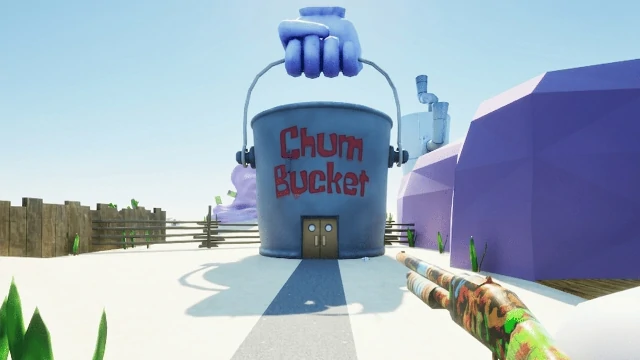
MECCHA CHAMELEON is a viral Steam hide-and-seek party game where you paint yourself into the map, fool your friends, and turn bad camouflage into comedy. This site is a growing collection of guides, maps, and multiplayer tips built to help you play better and laugh more.
Made by two indie developers in about two months, with no traditional marketing spend, and still crossed 10M+ Steam sales.
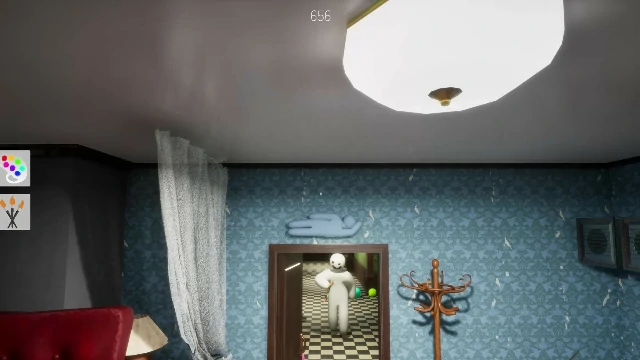
Instead of becoming a prop, you stay shaped like a little person and try to paint your body into the world around you. Sometimes you disappear perfectly. Sometimes you look terrible. Either way, that is the fun.
Developed by a small two-person Japanese indie team.
Completed in about two months.
Crossed more than 10 million copies sold shortly after launch.
Bad paint jobs, perfect hiding spots, fake hunters, and last-second escapes make every round easy to share.


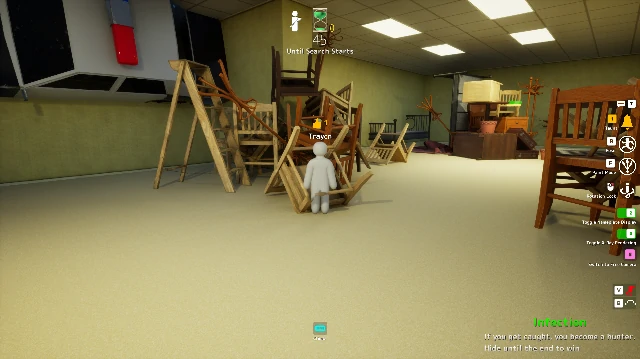
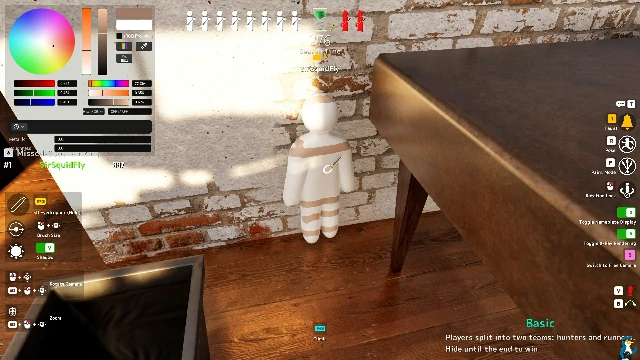
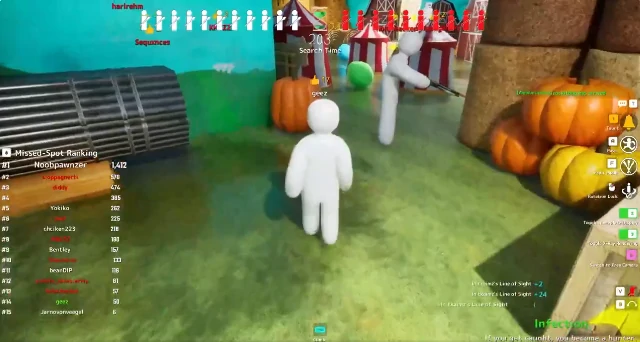
Hiders do not simply transform into chairs, boxes, or random props. They start as plain white characters and have to paint themselves to match the environment before the hunters find them.
There is no single correct way to hide. You either look like a magic trick, or you fail so loudly that the failure becomes the clip.

Wrong color, half-painted body, terrible pose. In another game that is failure. Here it becomes the story.

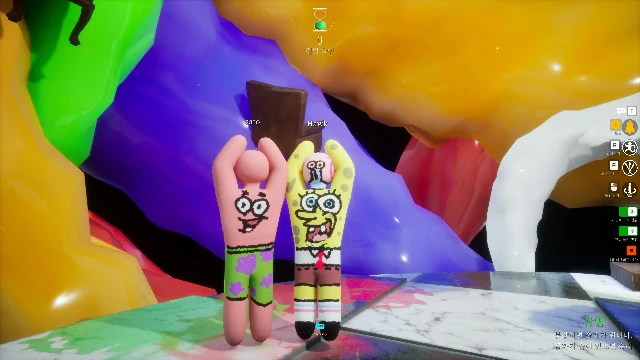
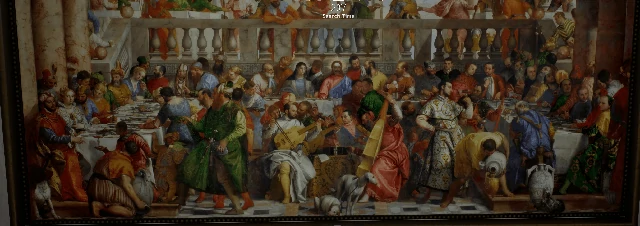
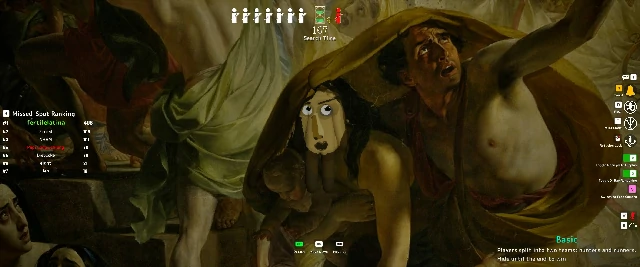
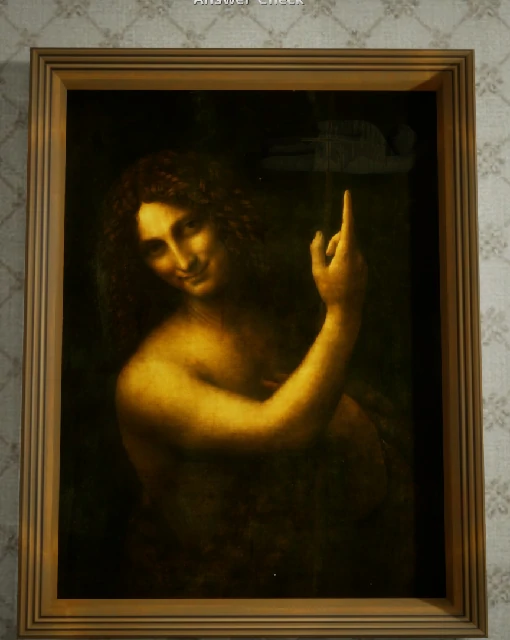
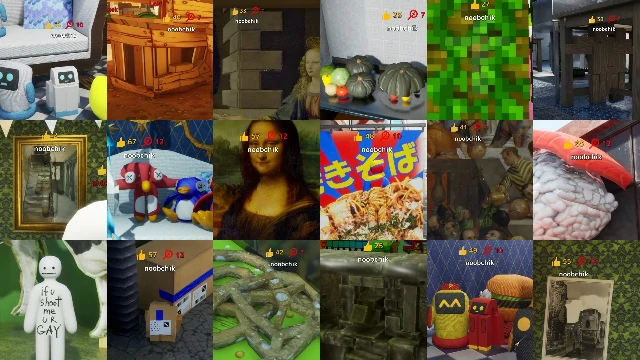
Players blend into paintings, textures, and scenery so well they stop being a character and start being scenery.

Paint yourself white and behave like a hunter. Confidence can be camouflage too.

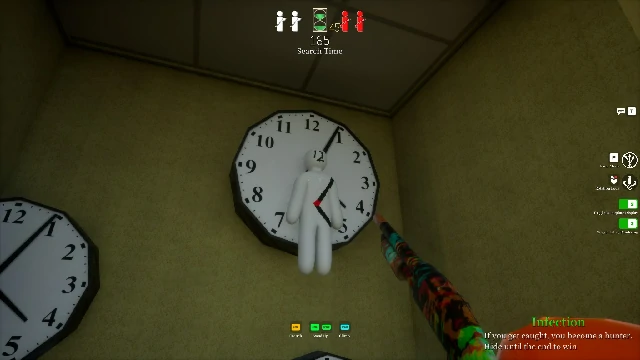
Hide, run, bluff, pose, clone, or stand in plain sight. If it tricks hunters, it worked.
The same mechanic creates both comedy and skill expression. New players make disasters. Great players make magic.

You do not need to be good at drawing. Bad camouflage is one of the game’s best sources of comedy.

Skilled players match colors, copy artwork, use shadows, and make their bodies feel like part of the scene.

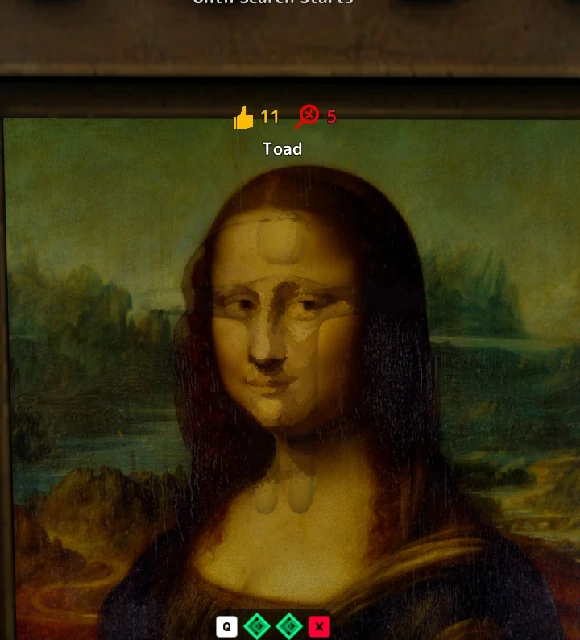
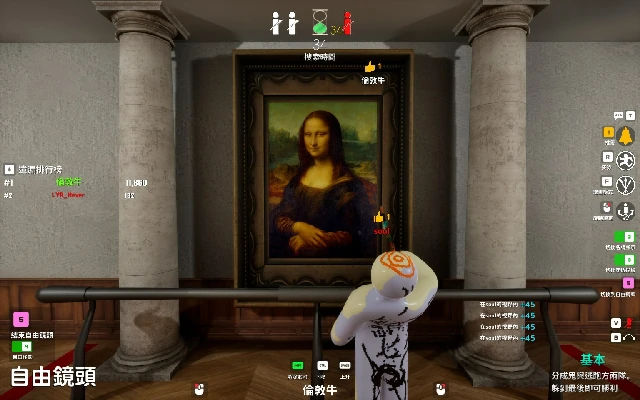
What happened: Players were recreating the Mona Lisa as the game passed 7 million sales.
Why it matters: The painting system can become a canvas for creative players.

What happened: A player painted themselves white and behaved like a hunter.
Why it matters: The game is about expectations, confidence, and psychological misdirection.

What happened: A two-person team made the game in about two months, spent no traditional marketing budget, and crossed 10M+ Steam sales.
Why it matters: The idea is instantly readable, and every round can produce a funny moment.
The game gets funnier when the lobby knows each other: the bad painter, the corner-checker, the fake hunter, the impossible survivor.
"A terrible paint job is much funnier when your friends are the ones judging it."
— every private lobbyWorstPainter
end-of-round reveal
Everyone sees where the hiders were, which spots worked, and which disguises were pure luck.#Reveal

FakeHunterMain
private server chaos
Friends remember your habits. If you always do something stupid, they may overthink the obvious. #MindGames

The funniest rounds happen when players stop looking for the “correct” answer and start trying weird ideas.


Every new map adds new colors, textures, props, sightlines, shadows, and hiding logic.
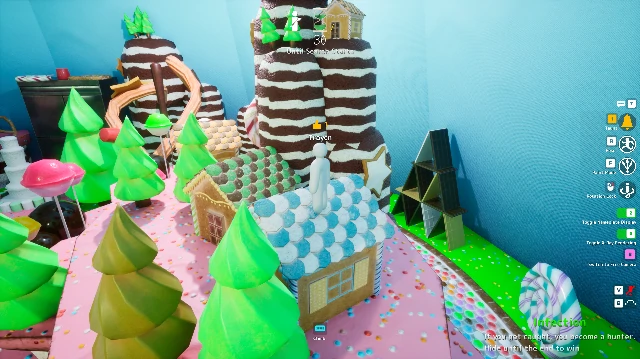
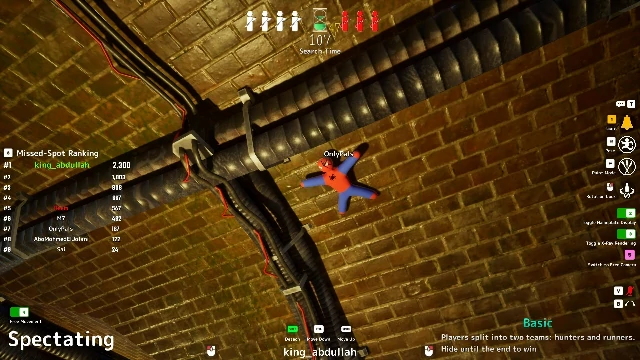
Offices, mansions, countryside props, city streets, hotels, sewers, candy worlds, and other cluttered spaces.
Custom galleries, restaurants, markets, meeting rooms, and pools create new surfaces to copy and new hiding ideas to test.
Listed on Steam for PC.
Online multiplayer, including public and private-style server play.
Custom maps can expand the game beyond the official map pool.
The concept is strong, but expect some fast-moving indie roughness.
For mobile, browser, console, free-version, or safety questions, use FAQ and official sources.
Pick the guide that matches what you want to do next.